


Many parents first learn about social confusion meaning when their child seems unsure during play, misses cues, or reacts in ways that don’t fit the moment. It can feel confusing when your child wants to connect but struggles to respond, especially people with autism spectrum disorder may experience challenges in social communication and interaction.
These moments often show up as small everyday mix-ups, and parents are left wondering if it’s just a phase or something that needs extra guidance. That’s where understanding what is social confusion becomes helpful. It gives clarity when things start feeling uncertain.
These early signs can be easy to miss, but learning about them slowly and clearly makes the whole picture less overwhelming. In this guide, we’ll walk through what these signs can look like, why they happen, and how simple support can make social moments feel easier for your child.
Want to stay connected for more weekly tips? Join our newsletter, it’s free, helpful, and tailored for parents like you.
Key Takeaway:
Social confusion can look small but impact daily life.
Kids may seem unsure during play or conversations, and these moments add up. Parents often notice tiny mix-ups before bigger struggles appear. Understanding the signs helps families respond with calm support.ADHD and autism can affect social cues differently.
Some kids miss tone or facial expressions, while others freeze when things move too fast. These patterns aren’t misbehavior, they’re signs of overwhelm. Knowing the difference helps parents guide them more gently.Practice and simple routines make social moments easier.
Short talks, picture cues, and steady routines help kids feel safe. Small steps build real skills over time. Gentle practice works better than pressure or long lessons.Support from trusted professionals makes a big difference.
Families often reach out for extra help when social struggles grow. A provider can explain what’s happening and offer tools that fit your child. You don’t have to figure everything out alone.Fun activities help kids learn without stress.
Games, role-play, and simple social activities for special needs students teach skills in a relaxed way. Kids learn best when they’re engaged, not pressured. These moments build confidence that carries into daily life.

Table of contents:
- What Is Social Confusion?
- Why Social Confusion Is So Common
- How to Support Someone Who Struggles Socially

Disclaimer: All content on TheAutismVoyage.com is for informational purposes only and is not a substitute for medical, legal, financial, or clinical advice. Please consult licensed professionals as needed.
What Is Social Confusion?
Social confusion happens when a child struggles to understand social cues, making moments unclear. Many parents hear social confusion meaning when their child seems unsure about tone or play. These moments link to social communication challenges that make connecting hard. Learning these signs helps parents offer steady support.
Explore helpful insights on behavior patterns by visiting the guide on autism behavior triggers.

Guide for Writing a Letter of Intent for Families with Special Needs
This guide provides you with essential tips for crafting a Letter of Intent. Perfect for families navigating the complexities of planning for a special needs future.

Causes of Social Confusion
Social confusion can happen when a child can’t read body language or understand what others expect. Some kids feel overwhelmed in busy settings and lose track of the moment. Others take things literally, leading to mix-ups that makes it challenging.
Signs and Symptoms of Social Confusion
A child may seem unsure starting conversations or joining play, even when they want to. They might misread faces or respond in ways that feel unexpected to others. Some kids repeat phrases or avoid eye contact when they feel unsure.
Social Awkwardness vs. Anxiety vs. Autism
Social awkwardness usually improves with practice and grows over time. Anxiety shows up when kids feel pressure or worry during social moments. Autism involves deeper challenges with cues and patterns that need extra support.

Why Social Confusion Is So Common
Many kids deal with social mix-ups because reading people isn’t always easy, especially when ADHD social interaction difficulties or sensory overload get involved. Some children miss cues like tone or expressions, while others freeze when things move fast. These moments don’t mean something is wrong, they simply show your child needs time.
Here are a few things parents often notice:
- Kids may struggle to follow group conversations.
- They might miss jokes or take things literally.
- Busy places can make social moments feel stressful.
- They sometimes respond in ways that seem “off” to others.
- New situations may feel overwhelming without guidance.
These challenges are common, and many families work through them with patience and steady practice. Simple social emotional activities for special needs can help kids read feelings and join play more comfortably. Small steps make social moments less stressful. Over time, these skills help children feel more confident with others.
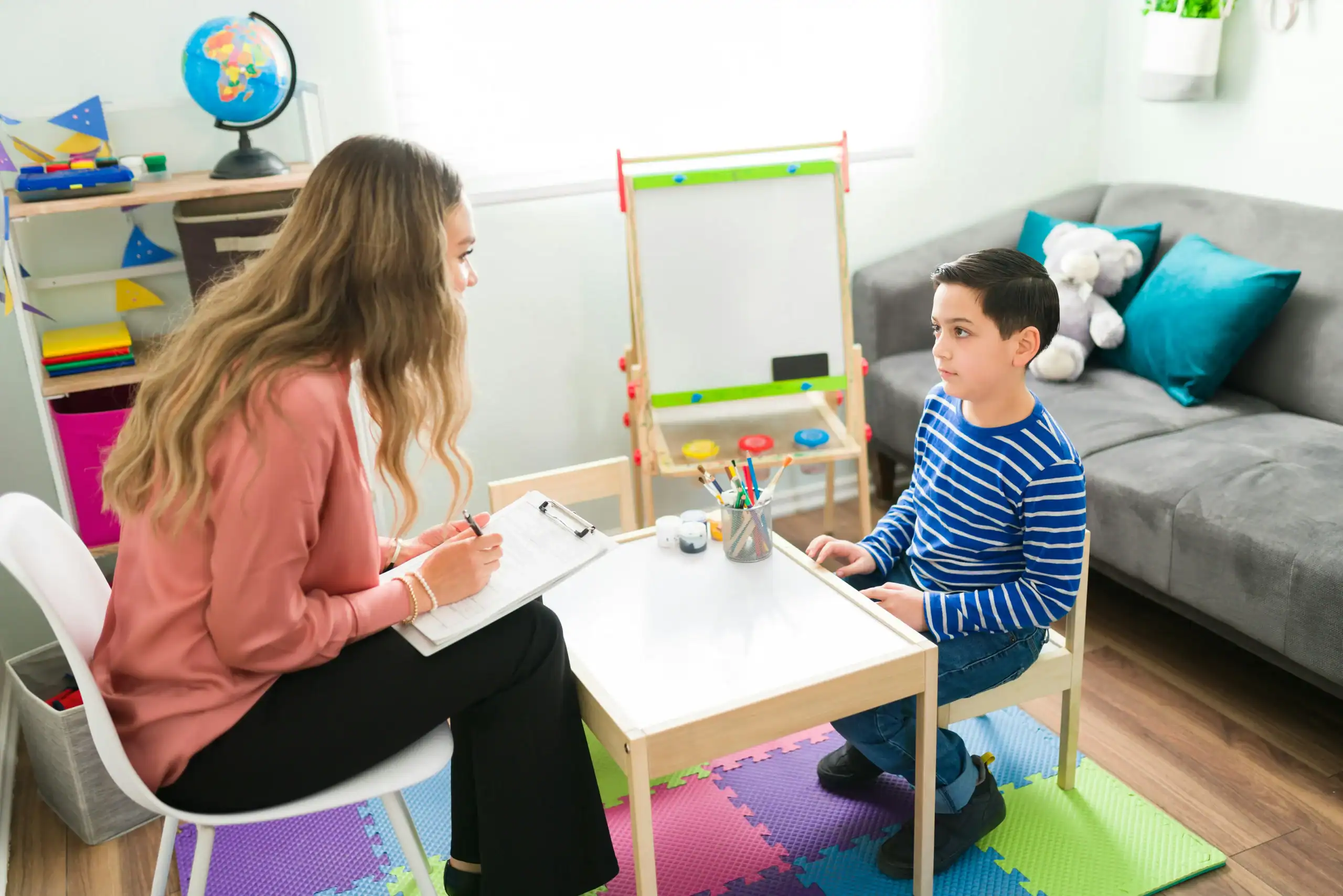
How to Support Someone Who Struggles Socially
Helping a child with social challenges starts with simple steps, and social skills activities for autism can be an easy place to begin. Kids with ADHD social interaction difficulties learn better when routines are clear and support stays simple. Gentle practice helps them understand cues without feeling stressed. Small changes at home slowly build confidence.
Before going deeper, here are a few simple starting points:
- Practice short, everyday conversations.
- Use pictures or stories to explain feelings.
- Keep social moments brief to avoid overwhelm.
- Model simple phrases your child can use.
The best support comes from meeting your child where they are and keeping practice light. Many families use the Special needs professionals directory when they are seeking guidance that fits their child’s needs. Adding fun social skills activities for special needs students also makes learning feel natural. With steady, calm practice, social moments become easier.