


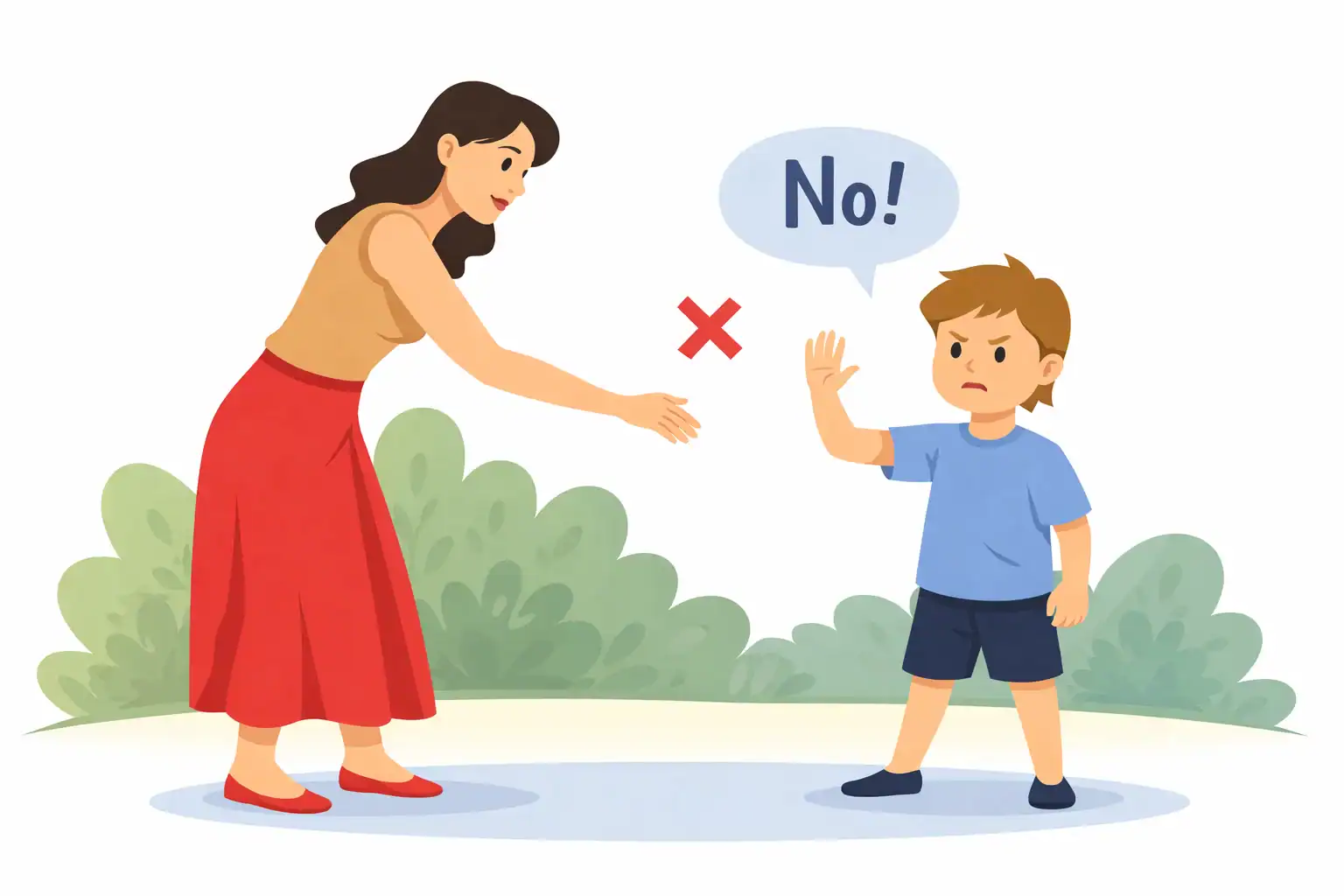
Touch can feel complicated for some children, even when it comes from love. Parents may notice small reactions during everyday moments. Hugs, hand-holding, or getting dressed can suddenly feel hard. For families noticing autism and aversion to touch, these moments often raise quiet questions.
An aversion to being touched doesn’t always look the same. Some children pull away right away. Others tolerate touch but seem uneasy. Over time, these patterns can become more noticeable.
In this guide, we start by looking at where these reactions come from. It helps connect the dots without rushing to solutions. You’ll learn how sensory disorders can shape touch responses in children. This background makes the rest of the guide easier to follow.
Want to stay connected for more weekly tips? Join our newsletter, it’s free, helpful, and tailored for parents like you.
Key Takeaway:
- Touch Sensitivity Is About Sensory Processing, Not Behavior
For children with autism and aversion to touch, reactions are sensory, not behavioral. Gentle touch can still feel overwhelming. This explains many common aversion to touch causes parents see. - Touch Aversion Can Change Over Time
An autistic adult and occasional aversion to touch may still experience sensitivity. Stress and routine changes often affect tolerance. This is common and expected. - Avoiding Touch Does Not Mean Lack of Affection
People with autism and aversion to touch still show love in many ways. Connection can look like shared time or quiet support. Physical touch is not the only form of affection. - Understanding Helps Families Respond Better
Knowing aversion to touch causes reduces pressure and frustration. Small adjustments can improve daily life. More parent-friendly guidance is available at The Autism Voyage. - Touch Needs Can Change From Day to Day
Sensitivity is not always consistent. A child may tolerate touch one day and avoid it the next. This flexibility helps parents respond with patience instead of pressure. - Respecting Boundaries Builds Long-Term Trust
When boundaries are honored, children feel safer over time. Trust grows when touch is predictable and optional. This often leads to more comfort naturally, without forcing progress.
Table of contents:
- What Is Autism and Aversion to Touch?
- Why Do People With Autism Experience Touch Sensitivity?
- Common Signs of Autism and Aversion to Touch
- Types of Touch That Are Most Commonly Avoided
- How Touch Aversion Affects Daily Life, Relationships, and
- Evidence-Based Strategies to Support Touch Sensitivity
- When to Seek Professional Support for Touch Aversion
- FAQs

Disclaimer: All content on TheAutismVoyage.com is for informational purposes only and is not a substitute for medical, legal, financial, or clinical advice. Please consult licensed professionals as needed.
What Is Autism and Aversion to Touch?
Autism and aversion to touch explains why physical contact can feel different for some people. Touch may feel uncomfortable, distracting, or overwhelming. This often shows up in everyday family moments. Parents may notice reactions they didn’t expect.
This can look different from child to child and even into adulthood, often showing up first in small, easy-to-miss ways like:
- Pulling away from hugs or hand-holding
- Becoming upset during grooming or dressing
- Avoiding crowded or close-contact situations
When someone is someone averse to touch, their body is reacting before they can explain it. The nervous system may be processing too much at once. These responses are not intentional or behavioral. They are rooted in how the brain handles sensory input.
You can also visit signs of neurodivergence in adults to see how these patterns can continue over time.

Guide for Writing a Letter of Intent for Families with Special Needs
This guide provides you with essential tips for crafting a Letter of Intent. Perfect for families navigating the complexities of planning for a special needs future.
Why Do People With Autism Experience Touch Sensitivity?
For many families, touch sensitivity is one of the first things they notice. With autism and aversion to touch, the body may react faster than the mind can process. Some touches feel stronger, sharper, or harder to ignore. This can make everyday moments feel unpredictable.
In some cases, autism and occasional aversion to touch shows up only in certain situations. It may depend on mood, stress, or the environment. A child might tolerate touch one day and avoid it the next. These changes can feel confusing without context.

Aversion to Touch Causes
An aversion to being touched usually has more than one cause. It’s rarely about behavior or attitude. The body is often trying to protect itself from overload. Understanding this helps parents respond with less pressure and more patience.
Here are some common reasons someone averse to touch may have these reactions:
- Sensory overload from noise, lights, or movement
- Unexpected or sudden physical contact
- Feeling tired, stressed, or overwhelmed
- Difficulty processing multiple sensations at once
- Past discomfort linked to certain types of touch
These causes don’t always happen alone. They often overlap and change over time. That’s why touch sensitivity can look different from day to day. Noticing patterns is the first step to understanding what helps.
Common Signs of Touch Sensitivity in Autism
With autism and aversion to touch, sensitivity often shows up in daily moments. Parents may notice patterns early. Some families also see an aversion to physical touch. These signs can change with stress or routine.
The table below highlights common signs families often notice with autism and occasional aversion to touch.
| Everyday Moment | What Parents May Notice | Why It Can Feel Hard |
|---|---|---|
| Hugs or cuddling | Pulls away or stiffens | Touch feels too strong or sudden |
| Haircuts or brushing | Cries, resists, or shuts down | Sensation feels overwhelming |
| Getting dressed | Avoids certain clothes or fabrics | Tags or seams cause discomfort |
| Crowded spaces | Becomes anxious or irritable | Too many sensations at once |
| Unexpected touch | Startles or reacts quickly | Body isn’t ready for contact |
Noticing these signs often raises questions. It’s okay not to have answers yet. Seeing patterns helps families know what may help next.

Types of Touch That Are Most Commonly Avoided
With autism and aversion to touch, parents often notice that certain kinds of contact are harder than others. These reactions usually show up during everyday routines. They can change depending on stress, mood, or setting. Over time, clear patterns tend to emerge.
- Unexpected touch. Sudden contact can feel startling and overwhelming.
- Light touch. Gentle brushes can feel irritating or intense.
- Prolonged contact. Long hugs or cuddling may feel draining.
- Grooming touch. Haircuts, nail trimming, or brushing are often difficult.
- Intimate touch. For some families, an aversion to touch and intimacy affects closeness and personal space.
These types of touch don’t feel the same to everyone. Some may be tolerated one day and avoided the next. This isn’t about rejection or distance. It’s about comfort and control.
How Touch Aversion Affects Daily Life, Relationships, and Learning
For families living with autism and occasional aversion to touch, everyday life can feel unpredictable. Some days routines flow, while other days feel harder to manage. Touch sensitivity can quietly shape how a child moves through home, school, and social settings. Over time, these small moments add up.
This impact often shows up in a few common areas, including:
Morning and bedtime routines that involve close contact
Learning activities that require sitting near others
Social interactions where personal space feels limited
Emotional connection when physical comfort is expected
As children grow, aversion to touch and intimacy can also affect relationships. Hugs, reassurance, or closeness may look different than expected. This doesn’t mean connection is missing. It simply means comfort is expressed in other ways.
Visit does high-functioning autism get worse with age to better understand how these patterns may shift over time.
How Autism and Aversion to Touch Can Change Over Time
Touch sensitivity doesn’t stay the same for everyone. Some children grow more comfortable as they feel safer and more in control. Others notice changes during stressful seasons or big transitions.
How to Overcome Touch Aversion
Overcoming touch aversion often starts small. Trust and choice matter more than pushing through discomfort. Progress comes from noticing what feels safe first.
Some gentle ways families begin include:
Giving warnings before touch
Letting the child lead physical closeness
Keeping routines predictable

Evidence-Based Strategies to Support Touch Sensitivity
For parents dealing with autism and aversion to touch, knowing how to help isn’t always clear. What feels supportive to one child may not help another. Many families learn through trial and error. Understanding how to overcome touch aversion often starts with small, steady steps.
Here’s a simple way parents often think about what helps and why:
| Support Strategy | What Parents Can Do | Why It Helps |
|---|---|---|
| Give warnings before touch | Say what’s coming before contact | Reduces fear and surprise |
| Let the child lead | Allow them to start closeness | Builds trust and control |
| Keep routines predictable | Do touch-related tasks the same way | Lowers sensory stress |
| Use calm movements | Move slowly and gently | Helps the body stay regulated |
| Respect boundaries | Stop when discomfort shows | Prevents shutdown and anxiety |
For parents who want to talk things through, you can request a consultation today when it feels right.
What Not to Do When Supporting Someone With Autism and Aversion to Touch
Avoid forcing physical contact, even when intentions are good. Pushing through discomfort can increase fear and resistance. Ignoring signals can make touch sensitivity worse over time.
Here are common things that often make touch sensitivity harder instead of better:
Forcing physical contact, even when intentions are good
Ignoring signs of discomfort or distress
Using phrases like “just get used to it”
Moving too quickly without warning
Comparing the child’s reactions to others
How Parents, Caregivers, and Educators Can Help at Home and School
Support works best when adults stay calm and consistent. Giving choice helps children feel safe and respected. Progress often comes slowly and unevenly.
Simple ways adults can help include:
Giving clear warnings before touch
Letting the child decide when closeness feels okay
Keeping routines the same at home and school
Using slow, predictable movements
Noticing and praising small signs of comfort
When to Seek Professional Support for Touch Aversion
For families navigating autism and aversion to touch, it can be hard to know when extra support is needed. An aversion to physical touch may begin to interfere with daily routines. Parents often notice rising stress at home or school. These signs can point to the need for outside help.
Some situations where support may be worth considering include:
Frequent meltdowns related to touch
Avoidance that limits learning or social time
Ongoing distress during daily care routines
Increased anxiety around physical closeness
You can explore Special needs financial planning services for family-centered guidance beyond daily support, or in need help for your financial journey? Reach out to us anytime!

FAQs
Many families have questions as they learn more about touch sensitivity. These concerns don’t stop in childhood. An autistic adult and occasional aversion to touch may still experience similar challenges. Understanding the basics can help parents feel more at ease.
Can a Child With Autism and Aversion to Touch Learn to Tolerate It?
Yes, many children can build tolerance over time. Progress often happens slowly and with trust. It works best when touch is never forced.
Does Touch Aversion Mean Someone Is Not Affectionate?
No, touch aversion is not about love or attachment. Many children and adults show care in other ways. Affection can look different from physical touch.
Is Touch Aversion Linked to Anxiety or Trauma?
Sometimes anxiety can make touch feel harder to manage. Stressful experiences may also increase sensitivity. That said, touch aversion can exist without trauma.
Is Touch Aversion the Same as Sensory Processing Disorder?
They are related but not the same. Touch aversion focuses on physical contact. Sensory processing disorder affects how the brain handles many types of sensory input.