


Many parents may hear the term bilateral hearing loss and wonder what it really means for their child. It happens when both ears are affected, making listening, learning, and communication harder. Early understanding helps parents feel more prepared to support their child.
Roughly 1 in 8 Americans age 12 and older experience hearing loss in both ears according to standard hearing tests. Families often notice challenges in school, conversations, and daily routines. With guidance, families can find helpful resources and steps toward clearer communication.
In this blog post, we’ll gently explore the basics of hearing loss symptoms, causes, and what families can look out for. Parents deserve clear guidance that feels simple and practical. Understanding the signs can help families take action sooner. We’ll also touch on everyday impacts that may show up at home or school.
Families benefit from resources like The Autism Voyage in exploring tools and resources.
Table of contents:
- What Is Bilateral Hearing Loss?
- Common Causes of Bilateral Hearing Loss?
- What are the Symptoms of Bilateral Hearing Loss?
- How is Bilateral Hearing Loss Diagnosed?
- Treatment Options
- Coping and Living with Bilateral Hearing Loss
- Preventing Bilateral Hearing Loss
- Bilateral Hearing Loss in Children vs. Adults
- FAQs

Disclaimer: All content on TheAutismVoyage.com is for informational purposes only and is not a substitute for medical, legal, financial, or clinical advice. Please consult licensed professionals as needed.
What Is Bilateral Hearing Loss?
Parents may first notice their child struggling with everyday sounds or speech. Bilateral hearing impairment means a child or adult has trouble hearing in both ears. This affects how clearly sounds are received and understood. It can make school, friendships, and conversations harder.
Common Causes of Bilateral Hearing Loss?
Parents may ask why bilateral hearing impairment happens in kids or adults. Some everyday health or life factors can sometimes play a big part. Over time, these issues can slowly make talking, learning, and social life much harder. Here are simple causes often linked with autism and hearing loss.
- Hearing problems that run in families
- Many ear infections over time
- Being around loud sounds often
- Sickness or medicine side effects
- Delays or differences with autism
Want more tips like this? Join our newsletter, it’s free, helpful, and made for parents like you.

Guide for Writing a Letter of Intent for Families with Special Needs
This guide provides you with essential tips for crafting a Letter of Intent. Perfect for families navigating the complexities of planning for a special needs future.
What are the Symptoms of Bilateral Hearing Loss?
Parents may notice early signs of hearing loss in daily routines. Common changes can affect school, play, and family conversations. These hearing loss symptoms may show up slowly or suddenly, depending on the cause. Here are simple signs parents should watch for in children and adults.
- Trouble following conversations in groups
- Asking for words to be repeated
- Speaking louder than usual often
- Missing sounds like doorbells or phones
- Delays in language or unclear speech
Want to learn more related challenges? Visit vocal stimming for helpful support your special family needs.
How is Bilateral Hearing Loss Diagnosed?
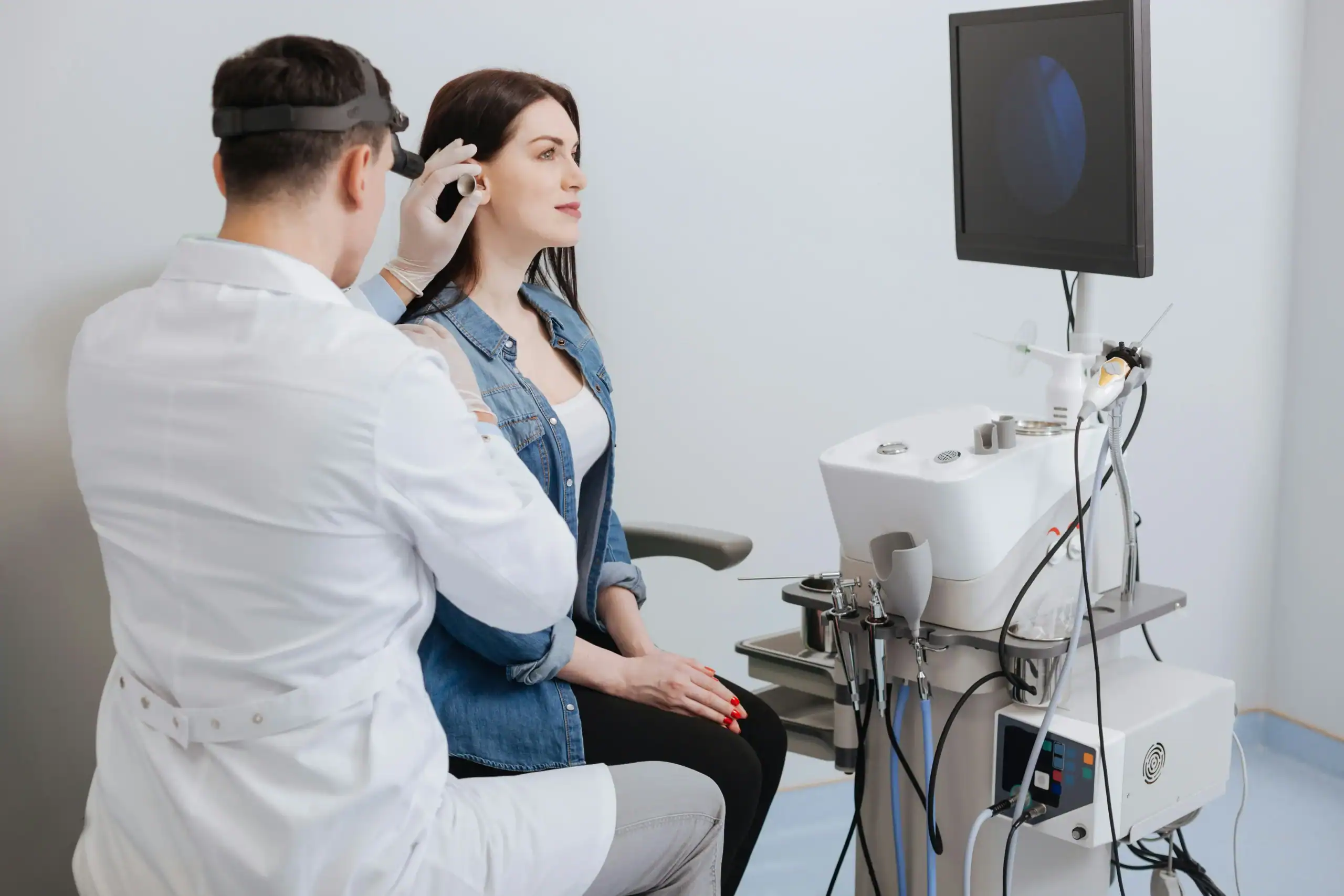
Doctors use simple tests to check for hearing loss in children and adults. These tests may include listening to sounds through headphones or watching reactions to voices. Parents often share what they notice at home, which helps doctors understand daily challenges. Early testing gives families clear answers and support.
Here are common ways doctors and specialists diagnose hearing challenges:
Listening tests with headphones or speakers
Watching reactions to everyday sounds
Checking speech and language development
Using machines to measure ear function
Asking parents about daily hearing struggles
Treatment Options
Families facing bilateral hearing impairment often wonder what help is available. Doctors may suggest different treatments based on the child’s needs and age. Options can include devices, surgeries, or simple lifestyle changes at home and school. Support tools like hearing aids for autism can make communication much easier.

Bilateral Hearing Aids
Children and adults with bilateral hearing aids can hear more clearly in both ears. These small devices make speech easier to follow. Parents often notice big improvements at home, in conversations, and in school.
Cochlear Implants
For children with severe hearing loss, bilateral hearing implants may be suggested. These devices send sound signals straight to the inner ear. Families often consider this option when regular hearing aids are not enough.
Medical & Surgical Treatments
Sometimes medical care, like removing ear infections or minor surgery, can improve hearing. Doctors may also treat other conditions linked with hearing loss. These steps can help reduce problems before they affect school and family life.
Lifestyle Adjustments & Assistive Devices
Families can use assistive technology for hearing impaired children, like captioning or FM systems. These tools support classrooms and routines. Exploring assistive technology and hearing impairment gives parents more ways for communication.
Coping and Living with Bilateral Hearing Loss
Families managing bilateral hearing impairment often need patience, love, and support every day. Daily routines may feel harder, but small changes can make life easier. Devices like bilateral hearing implants may also help children and adults communicate better. Below are simple ways families can cope with challenges at home or school.
Create daily routines to lower stress
Use hearing devices as directed by doctors
Ask teachers to provide extra classroom support
Join parent groups for shared experiences
Practice patience during family conversations
Preventing Bilateral Hearing Loss
Not every case of hearing loss can be avoided, but parents can take steps to protect hearing. Regular ear checkups are important for spotting problems early. Limiting exposure to very loud sounds helps keep ears safe. Here are simple ways families can lower risks and protect hearing health.
- Take children for regular ear exams
- Treat ear infections quickly with care
- Keep music and devices at safe volumes
- Use ear protection in noisy places
- Teach kids healthy habits for strong hearing
Bilateral Hearing Loss in Children vs. Adults
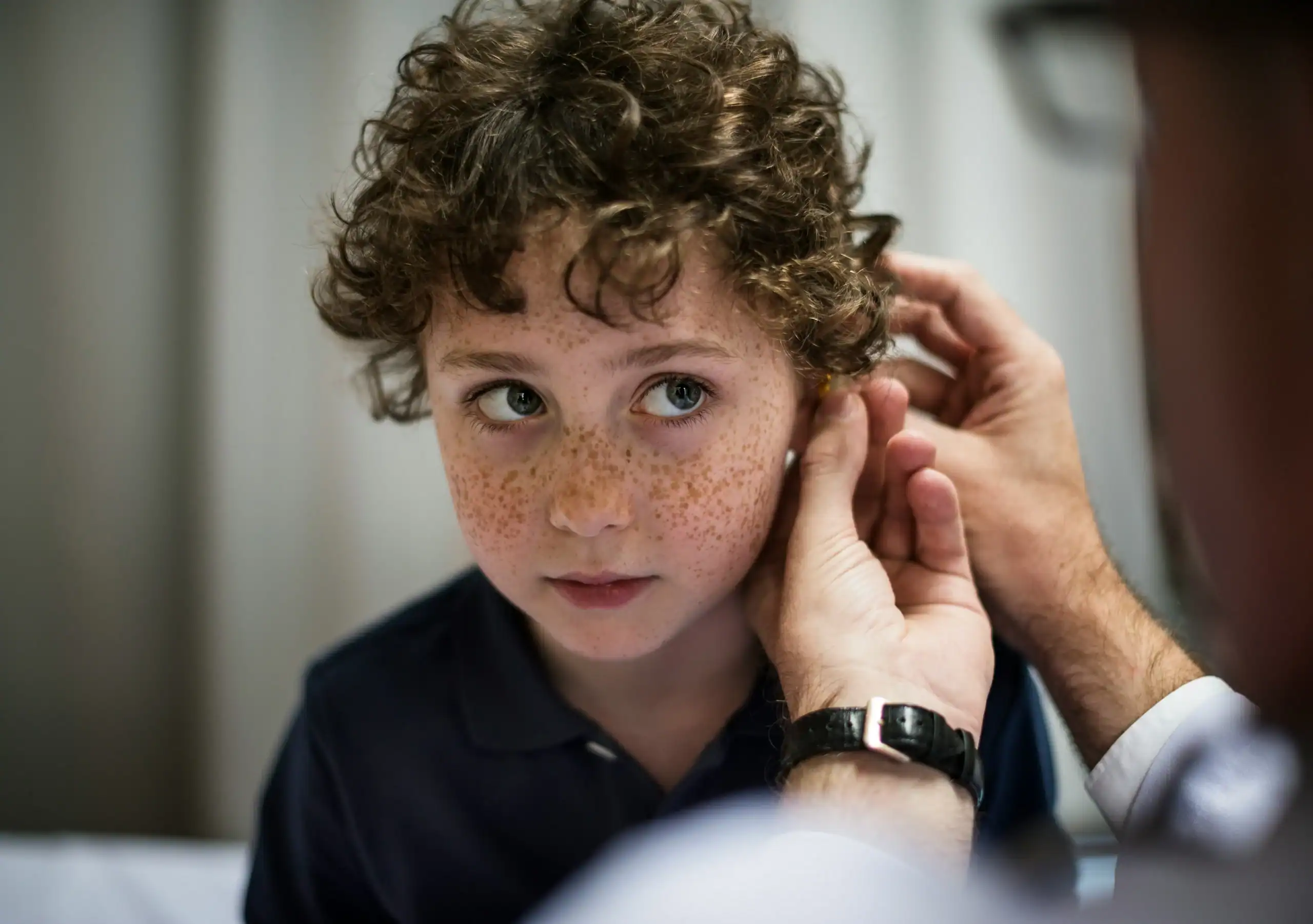
Children and adults experience hearing challenges differently, especially when it comes to autism and hearing loss. Kids may struggle with learning, while adults may face work or social difficulties. Some children also deal with autism and sensitive hearing, making loud sounds harder. Tools like hearing aids for autism can bring comfort and support.
Learn more tips at autism sound sensitivity for coping with sound differences to support your family needs.
When to See a Doctor or Audiologist
Parents should seek help if a child struggles with hearing or speech. Doctors and audiologists can test for changes and suggest helpful treatments. Early care often helps prevent bigger problems later in life for families.
Find trusted providers in our professional special needs directory for families navigating autism and special needs life
FAQs
Parents often have many questions about hearing loss in children. Clear answers can make decisions easier and less stressful. Understanding treatment options helps families feel more confident in daily life. Here are common questions parents often ask, with simple answers you can trust completely.
Do hearing aids help bilateral hearing loss?
Yes, hearing aids often improve listening in both ears. They make sounds clearer and conversations easier. Many families see positive changes in school and home life with regular use.
Is bilateral hearing loss a disability?
In many cases, it can be considered a disability. Hearing challenges may affect school, work, and social life. Support and resources help families manage these challenges successfully.
Can bilateral hearing loss be cured?
Some causes of hearing loss can be treated, but not all. Options may include surgery, implants, or hearing aids for daily support. Early care gives families the best chance for improvement.
Key Takeaway:
- Early Signs Matter
Noticing changes in hearing early makes a real difference. Kids may ask for repeats, miss everyday sounds, or speak louder than usual. Parents who act quickly can provide their child with stronger support and confidence. - Common Causes Can Be Managed
Hearing problems may come from infections, loud noises, or health conditions. Many of these causes can be treated or prevented with care. Parents who stay alert and proactive help protect their child’s long-term hearing health. - Testing Gives Clear Answers
Simple hearing tests show how well a child responds to sounds. Doctors may also ask parents about school or home experiences. These checks give families clear direction and help decide the right support needed. - Helpful Tools and Treatments
Hearing aids, implants, and other support devices can make daily life easier. These tools improve learning in school and conversations at home. With the right treatment, children gain confidence, skills, and stronger communication abilities. - Support Makes the Journey Lighter
Caring for a child with hearing differences takes patience and guidance. Family routines, teacher support, and parent groups bring needed relief. With the right help, children and parents can thrive together with more hope.
